Star Wars Finally Makes Fortnite's Palpatine Message Canon After Five Years of Galactic Waiting
Star Wars and Fortnite unite as Emperor Palpatine's infamous broadcast finally becomes official canon in Marvel Comics' The Rise of Skywalker #1.
In a stunning twist that proves reality is often stranger than fiction, the sprawling Star Wars universe has officially embraced its most unlikely collaborator: the battle royale phenomenon Fortnite. For half a decade, a crucial piece of galactic history—Emperor Palpatine's sinister resurrection announcement—existed in a bizarre limbo, first heard not in a holocron or a Jedi archive, but amidst the virtual gunfire and building frenzy of a video game event. Now, in 2026, the long-awaited reconciliation has arrived, as Marvel Comics' Star Wars: The Rise of Skywalker #1 finally, definitively, drags that Fortnite-exclusive moment kicking and screaming into the sacred halls of official canon.
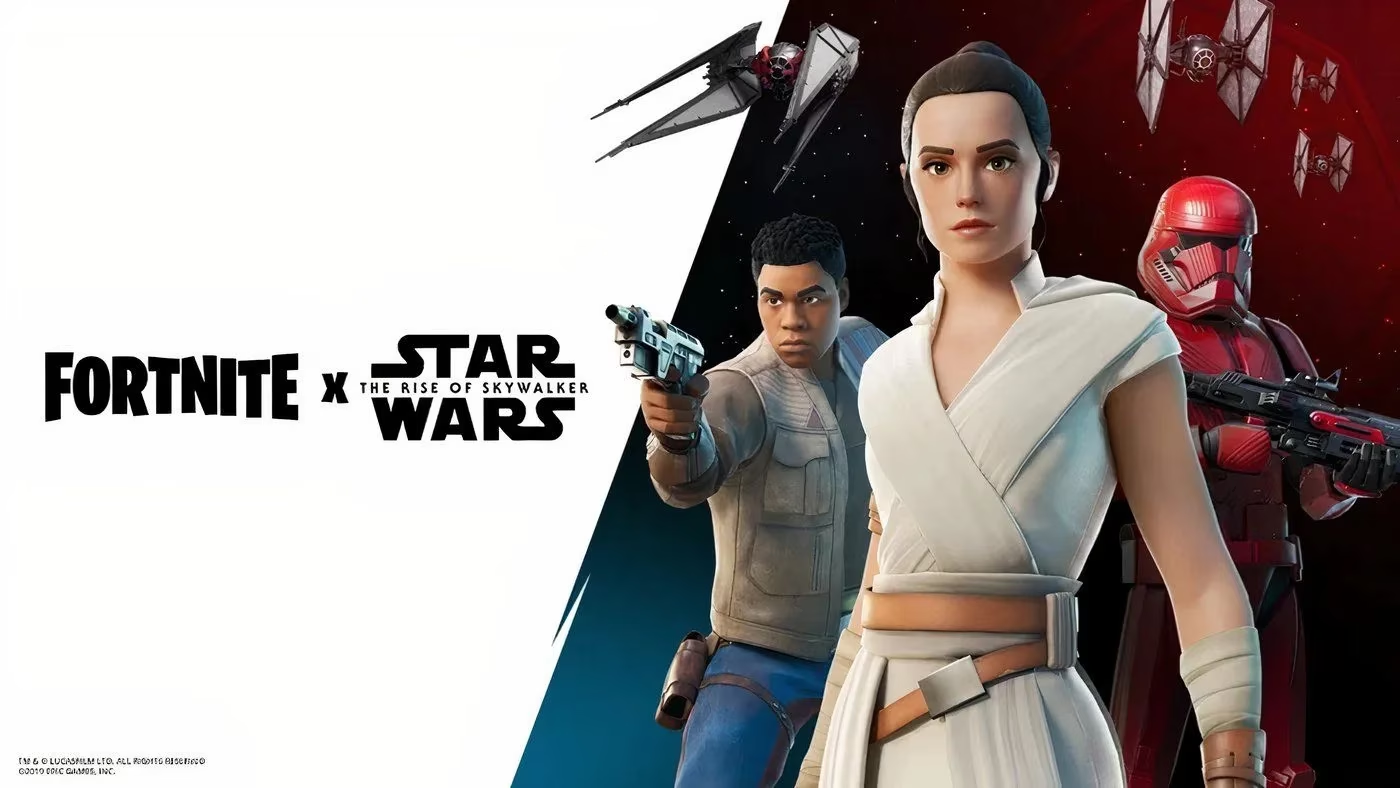
Let's rewind the hyperdrive to the cinematic chaos of 2019. The galaxy was buzzing with anticipation for Episode IX. The opening crawl of The Rise of Skywalker teased it with chilling simplicity: "The dead speak! The galaxy has heard a mysterious broadcast, a threat of REVENGE in the sinister voice of the late EMPEROR PALPATINE." Fans leaned in, ears straining... and heard nothing. The message itself remained a ghost, a whispered legend. Meanwhile, in an entirely different digital dimension, millions of players were experiencing it firsthand. The Fortnite Star Wars Gala Event wasn't just another crossover skin sale; it was an interactive promo where players, while dodging rockets and harvesting materials, were subjected to the full, terrifying audio broadcast of Palpatine's return. It was epic! It was immersive! It was... completely non-canonical. For five long years, this created a hilarious paradox: the most dedicated Star Wars scholars had to explain that a pivotal plot point was best experienced by playing a game primarily known for dancing emotes.
Fast forward to the present, and the comics have once again become the universe's premier gap-fillers and lore-saviors. The preview for Star Wars: The Rise of Skywalker #1, masterfully adapted by Jody Houser and Will Sliney, follows Kylo Ren's grim pilgrimage across the stars to find the Sith Wayfinder. The core beats are familiar—the cracked mask, the journey to Exegol, the Faustian pact with the resurrected Emperor. But hovering over Ren's brooding form, like a dark side miasma, are narration boxes. And within those boxes? The words. The words. Palpatine's "Day of the Sith" proclamation, in all its malevolent glory, is finally rendered in canonical text. The comic doesn't just show Kylo Ren hearing it; it lets us hear it, bridging a chasm that has existed since the film's release.
This act of canonical assimilation is monumental! It's not just adding a deleted scene; it's validating a piece of pop culture history that existed in a parallel, playful universe. Think about it:
-
2019: A Fortnite player hears Palpatine's message while building a fort.
-
2026: A Star Wars comic reader sees the same message in an official Marvel publication.
The timeline has converged! The meme has become scripture!
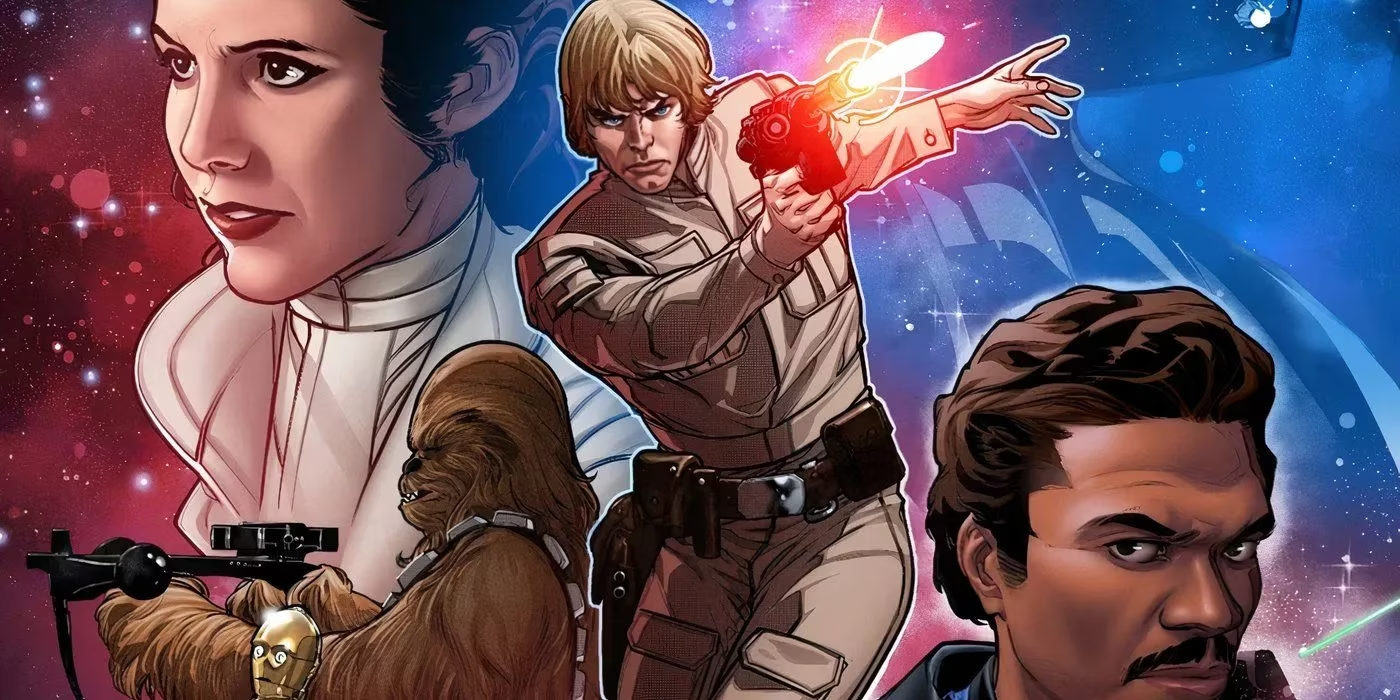
This event is a screaming testament to how modern transmedia storytelling works—or sometimes, stumbles gloriously before finding its feet. The comics line has become the essential tool for sanding down the rough edges of the sequel trilogy, adding depth, context, and yes, even reclaiming oddities from the marketing sphere. They turn throwaway lines into rich backstories and visual glitches into intentional character moments. The inclusion of the Fortnite message is perhaps the peak of this endeavor: retroactively making a viral marketing stunt a foundational pillar of the story. It confirms that every grunt, every explosion, and every sinister proclamation from that 2019 event was, in fact, really happening somewhere in the galaxy far, far away. Players weren't just attendees at a promo; they were unwilling citizens of the galaxy, hearing the Emperor's call.
So, what does this mean for the future? It sets a wild precedent. It opens the door for other media—video games, novels, even theme park experiences—to contribute meaningfully to the core narrative in real-time, not just in peripheral expanded universe materials. The barrier between "main canon" and "promotional fun" has been irrevocably blurred, and the result is a richer, weirder, and more interactive universe. The message is clear: in the age of interconnected storytelling, even a battle royale island can become a temporary annex of the Star Wars canon. The Force, it seems, works in mysterious and occasionally loot-box-filled ways. The long wait is over. Palpatine's message is free from its Fortnite prison, and the galaxy's history is finally, completely, whole.
DISCUSSION