PUBG Map Service Status: Selection Feature Data Gap & Update 42.1 Rotations
PUBG: BATTLEGROUNDS map service and Map Selection feature evolve, balancing player satisfaction with matchmaking for future updates.
The ongoing evolution of map service in PUBG: BATTLEGROUNDS continues to be a crucial focus for the development team, as they strive to balance player satisfaction with robust matchmaking. Following the introduction of the highly anticipated Map Selection feature with Update 41.2 in May, the team has now provided a transparent look at its current status, the June service plan, and a sneak peek into the map rotations for the upcoming Update 42.1. While the feature has unlocked a new level of choice for many, the data journey is still in its early stages.
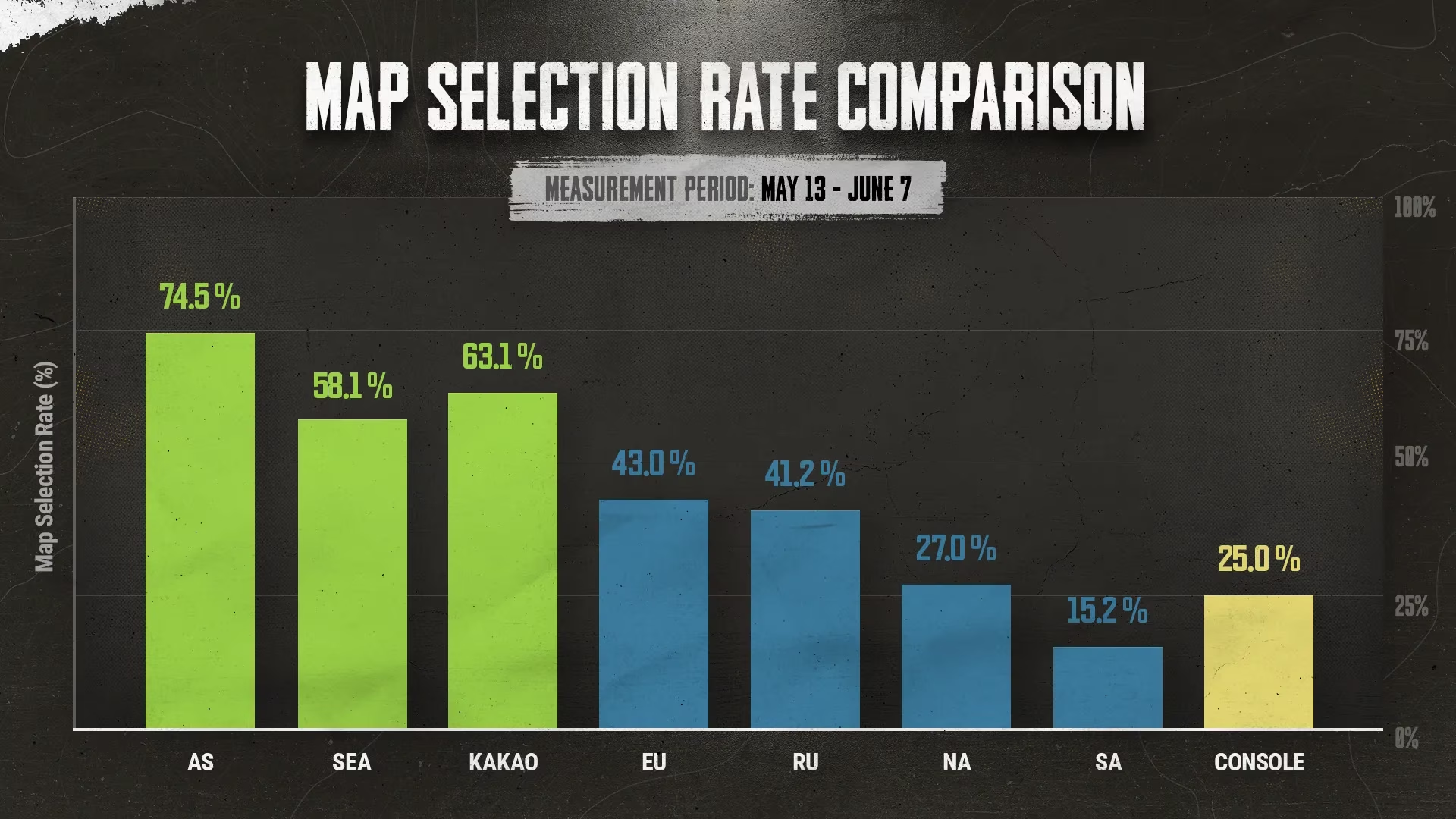
In a recent community address, the developers acknowledged that while map selection rates in supported regions—including North America, South America, Europe, Russia, and Console—have been steadily climbing since launch, the volume of data remains insufficient to represent the voice of the entire player base. The number of players actively using the Map Selection feature is still notably smaller than those who do not. As a result, the four-week snapshot of selection rates does not yet paint a complete picture of global preferences. Therefore, the June map service will continue to be configured using the existing preference data derived from a comprehensive analysis of playtime, match count, and broader matchmaking patterns.
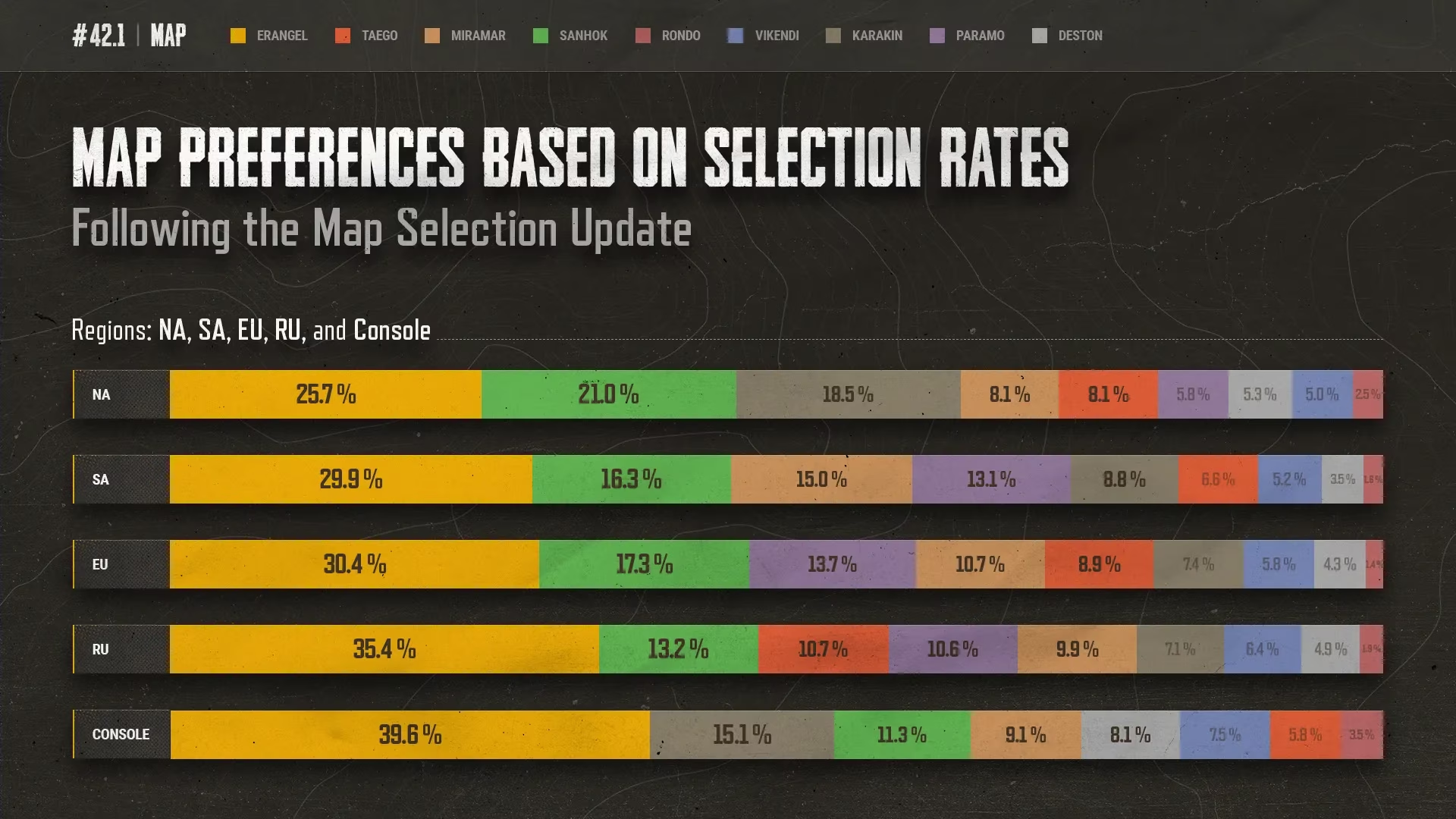
The team emphasized that this cautious approach is about scientific accuracy, not a lack of commitment. "To accurately understand and analyze player preferences through the Map Selection feature, a sufficient volume of map selection data is required," the statement read. Once enough data is accumulated to support a statistically reliable analysis, PUBG Studios will gradually incorporate the selection-based preferences into future map service decisions. This pragmatic strategy ensures that any shift in map rotations genuinely reflects the community's voice rather than a small subset of power users. The team also reassured players that when this integration begins, related data and progress updates will be shared openly through regular Map Service Reports, maintaining a transparent feedback loop.
Since May, feedback has flooded in through both official community channels and the in-game survey system. The dev team is actively reviewing every suggestion, from tweaks to the user interface to requests for more granular control over map pools. The sustained dialogue underscores the community's passion for map diversity, and the team reaffirmed its commitment to refining the experience. Players are encouraged to continue sharing their thoughts, as this real-time feedback will be instrumental in shaping the next iteration of the feature.
As the current season progresses, attention now turns to Update 42.1, which will bring a new set of map rotations based on the latest regional preference data. These preferences are not simple poll results; they are calculated through a sophisticated model that synthesizes multiple factors from all modes: total playtime, number of matches, select rate, and even the leave rate. Due to rounding, the total percentages may not always sum to 100%, but they offer the clearest snapshot of what players actually enjoy.
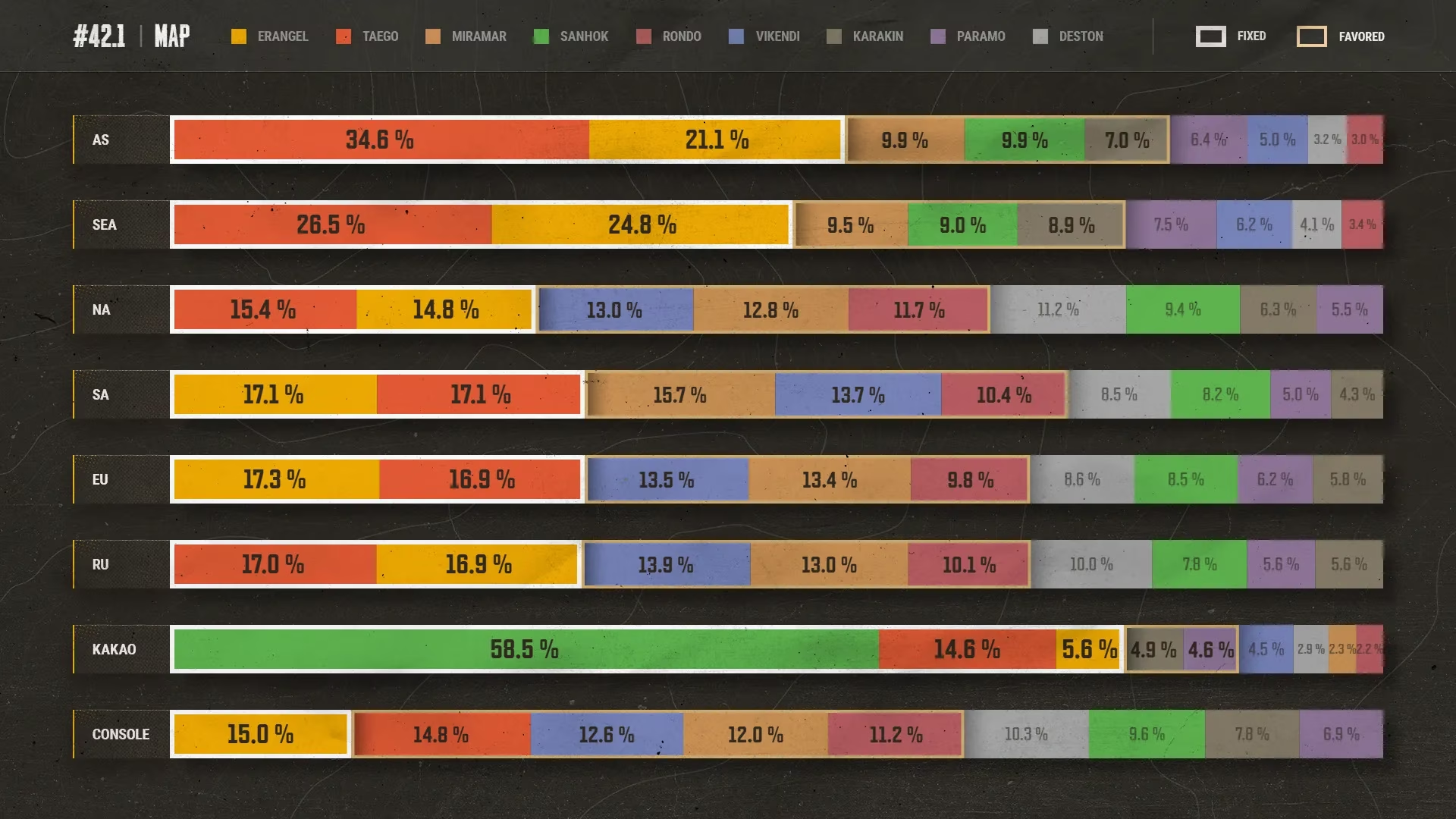
With that foundation, the Update 42.1 rotation introduces a remarkably balanced lineup in Normal matches: Erangel (25%), Miramar (25%), Taego (25%), and Rondo (25%). This equitable split is a striking departure from previous weighted rotations and appears to be a direct response to player demands for fairness. The KAKAO platform, however, retains its unique rule set with Erangel, Taego, and Sanhok permanently locked into its Fixed Map pool, ensuring a different flavor for that audience. For the competitive crowd, the Ranked map service remains updated on a season-by-season basis, preserving a separate competitive identity while still being influenced by the long-term trend of preferences.
Behind these decisions lies a clear philosophy: data-driven balance that adapts to the community’s evolving taste. The continued reliance on exhaustive matchmaking analytics until the Map Selection sample size matures reflects a deliberate, methodical design. This means that for the coming weeks, players may still see some maps appear less or more frequently than individual selection rates would imply, but the team views this as a necessary step in guaranteeing that any permanent changes are robust and inclusive.
The long-term vision is compelling. As Map Selection usage grows—and it is expected to do so once more players become comfortable with the feature—the blend of direct input and historical analytics will create a dynamic, responsive map ecosystem. Imagine a future where your region's favorite battlegrounds subtly shift each month based on what you and your fellow survivors actually choose, not just what a matchmaking algorithm decides. That future is not here yet, but the infrastructure and transparency being laid down now are the critical first steps.
For now, the PUBG: BATTLEGROUNDS team remains focused on stability and engagement, urging anyone with a strong opinion to make their voice heard through official channels. Whether you're a Miramar purist, a Sanhok speed-demon, or a Rondo explorer, the path to a more tailored battlefield is being paved one data point at a time. As the developers sign off: "We’ll see you on the Battlegrounds!"
Data referenced from CNET - Gaming frames PUBG: BATTLEGROUNDS’ map-service changes as a classic live-ops balancing act: adding Map Selection boosts player agency, but the studio still needs a statistically meaningful sample before it can safely reshape rotations without harming queue health. Until selection usage grows beyond a niche of active users, the June plan leaning on broader matchmaking metrics (playtime, match counts, and behavior signals like leave rates) helps keep lobbies stable while Update 42.1’s evenly split Normal rotation (Erangel, Miramar, Taego, Rondo) signals a deliberate push toward perceived fairness across the core map pool.
DISCUSSION